
YEARS VISITED: 2006, 2008, & 2020
RESTAURANTS
DESTINATIONS
SPORTS / EVENTS
—–
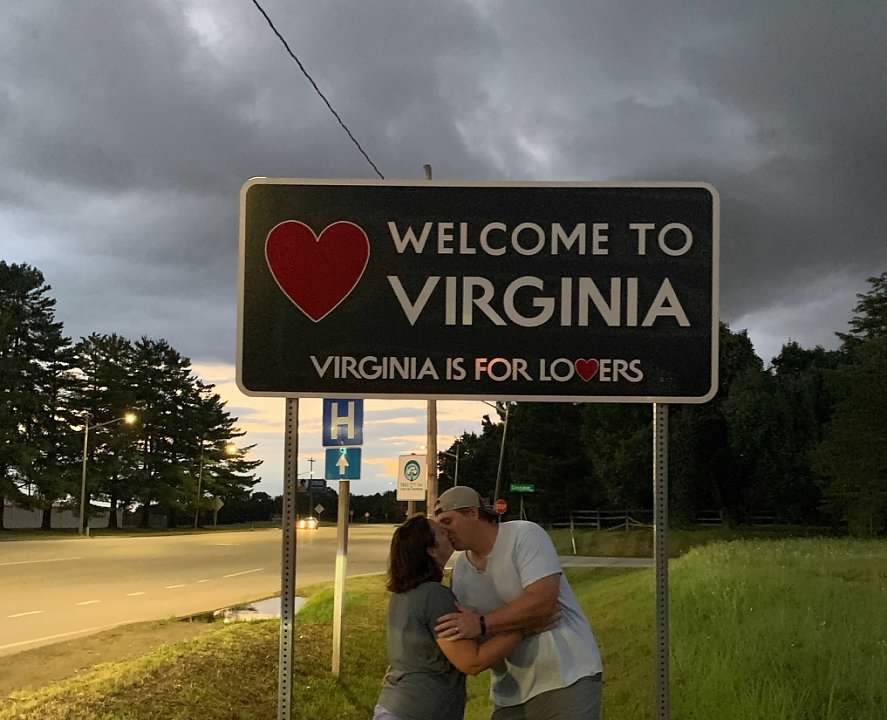
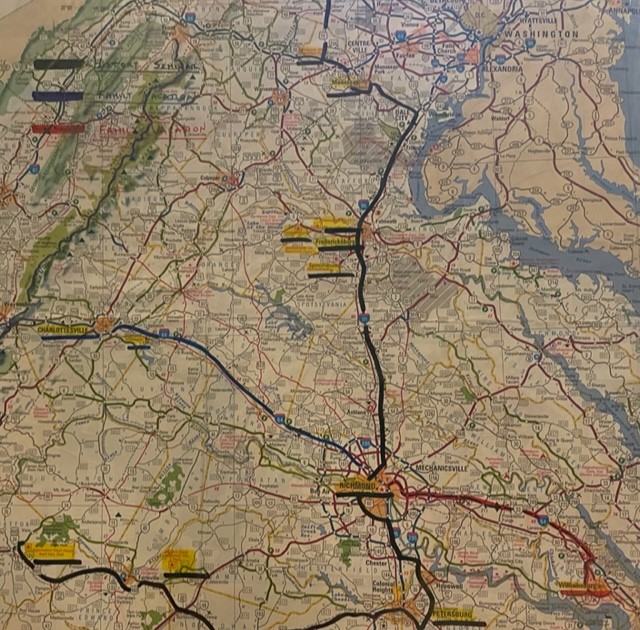
FAVORITE CITIES AND EXPERIENCES: In the summer of 2006 my friend Rick and I applied and were accepted into the Freedom Foundation: Civil War Eastern Campaign workshop. For a week we traveled via charter bus all across the state of Virginia with other history teachers from all over the country. Each day we would visit at least one new battlefield, take a tour of the destination, and participate in a lesson or lecture regarding what occurred at that location. Through this program I have been to, explored, and studied every major Civil War battle site in the state. After the workshop our families flew out and we spent an additional week on the east coast where we toured even more historic sites in Virginia. In 2008 I again applied to a study program for history teachers and was accepted to the World’s of Thomas Jefferson Seminar hosted by Gilder Lehrman Institute of American History.
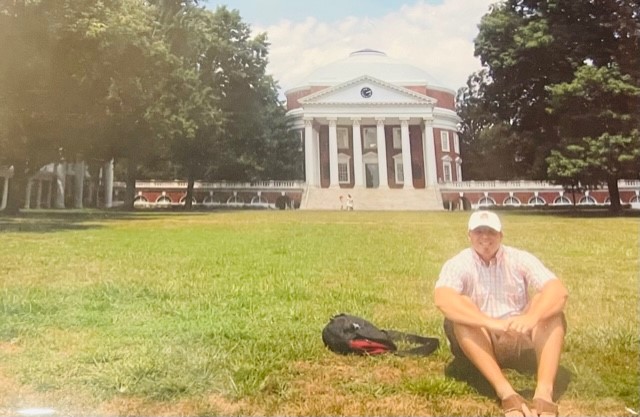
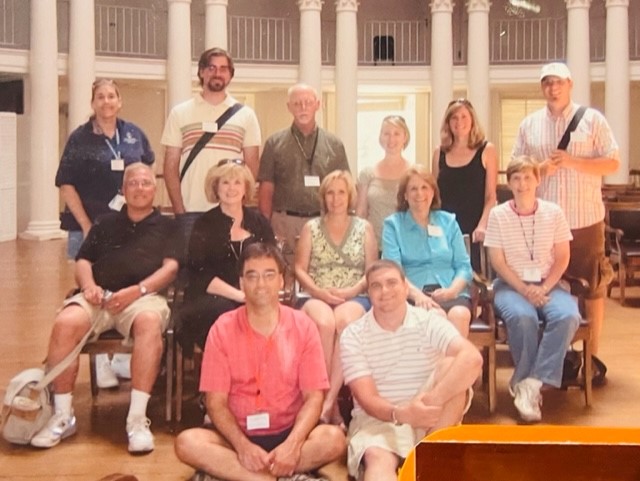
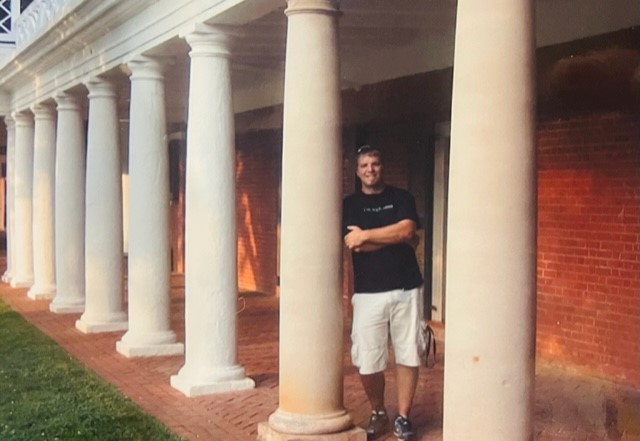
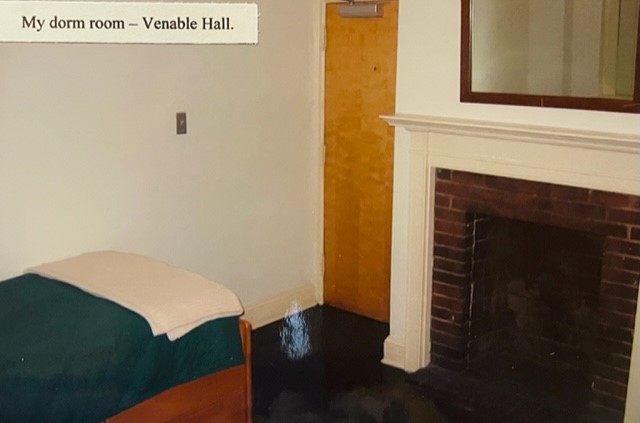
There I spent a week living in a dorm room at the University of Virginia in Charlottesville.
The week consisted of me and twenty-five other teachers from around the country listening to Jefferson scholars teach about his life, handling and studying Jefferson artifacts, and touring Monticello before and after public hours.
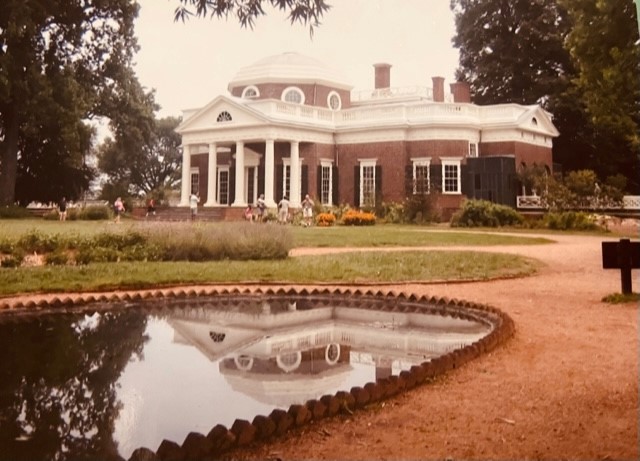
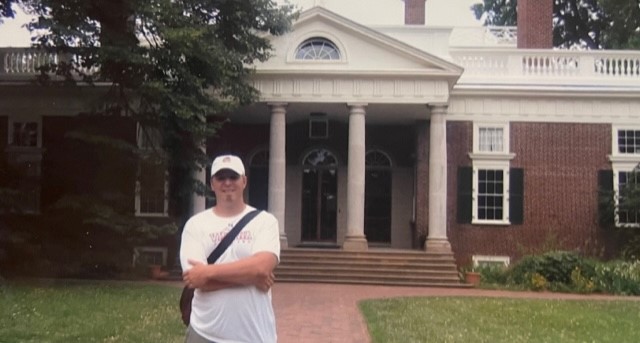
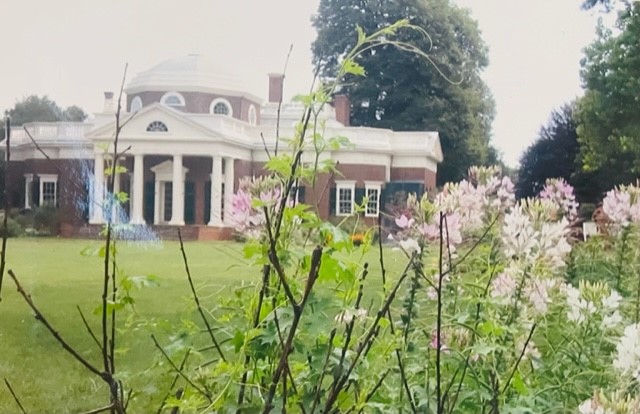
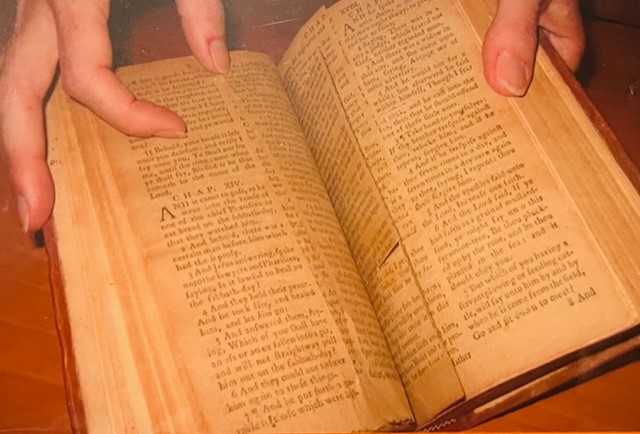
Highlights of the week were getting to handle Jefferson’s bible, (which he cut out the passages that he didn’t agree with), getting to spend time with a multitude of Jefferson’s inventions, and exploring the grounds of Monticello. When visiting Virginia, every trip itinerary should include a stop at Monticello.
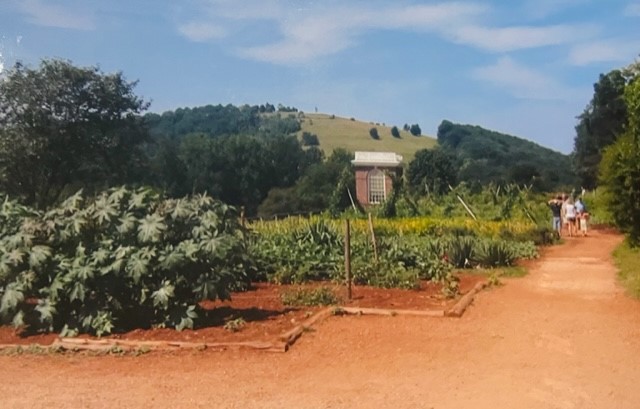
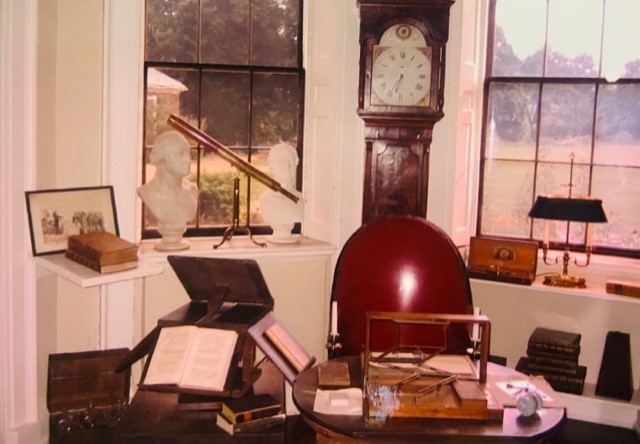
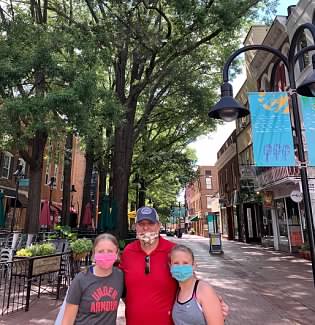
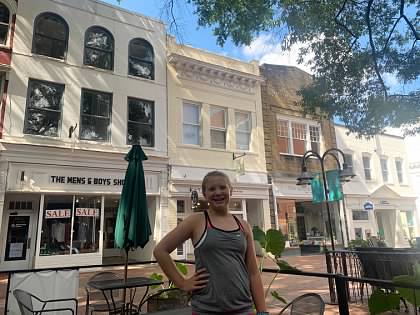
Personally I credit both of these trips, and the state of Virginia as a whole, for developing and invigorating my love for United States history. When exploring the state it feels as if something significant has occurred around every corner and is easily one of my favorite states to visit. Other locations to visit in Charlottesville are the Downtown Mall, the complex surrounding the Albemarle County Courthouse, the Michie Tavern, as well as the University of Virginia. The Downtown Mall is spread over seven blocks that are closed off to traffic. It is a great place to take a leisurely stroll, shop, or simply grab a bite to eat at one of the many restaurants which all seem to offer outdoor seating.
Just up from the historic outdoor mall is the Albemarle County Courthouse. The original building in the complex was built in 1803 and many of the ‘newer’ buildings date back to the 19th century.
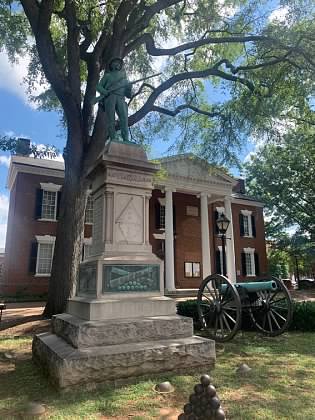
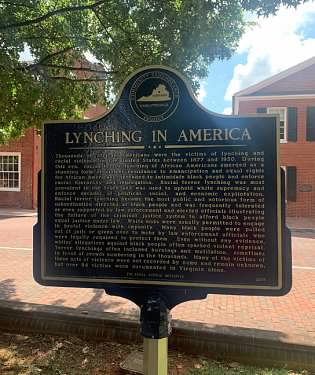
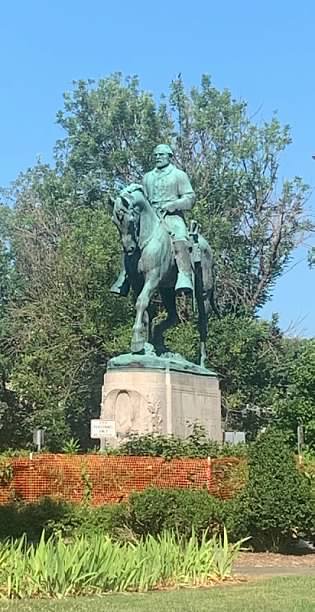
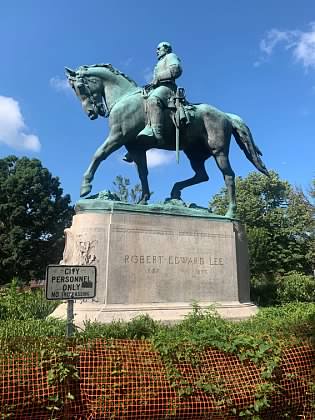
Outside of the courthouse was the location of the Robert E Lee bronze statue. The statue of the Confederate General, sitting proudly on his horse Traveler, was erected in 1924 and was listed on the registry of historic places. However this statue was at the center of the national debate around the appropriateness of statues built to celebrate individuals with ties to the Confederacy. Ultimately the statue was removed in 2021.
Roughly one mile from Monticello, just off I-64, is Michie Tavern. It was built in 1784 and has been serving a southern style food menu for over 200 years.
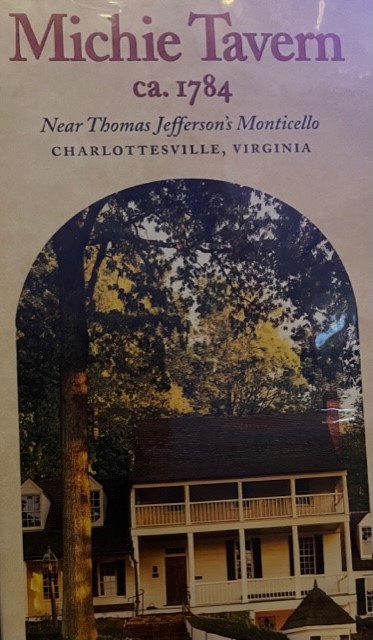
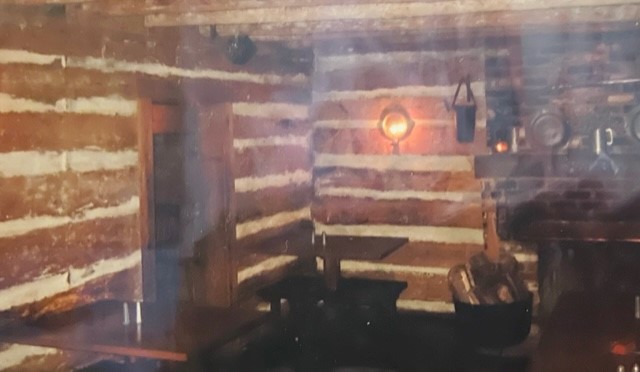
The wait staff dresses in period attire and there is also a general store to explore. We stopped for lunch in 2006 and enjoyed our experience.
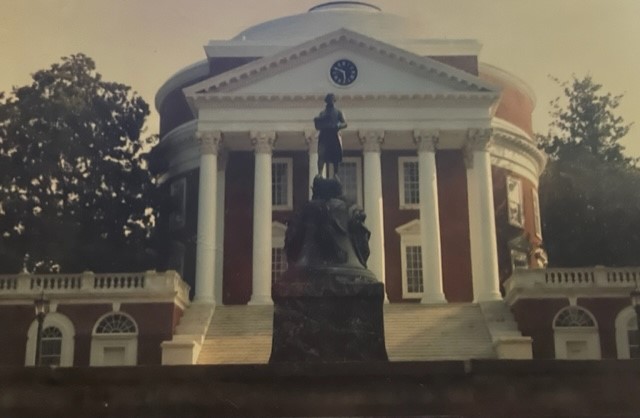
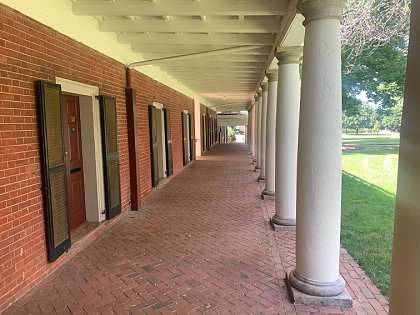
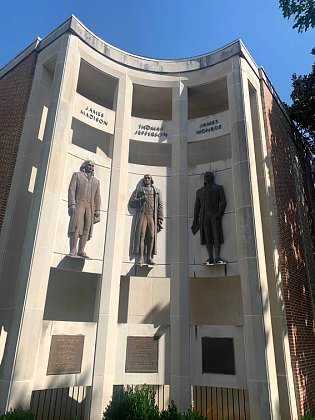
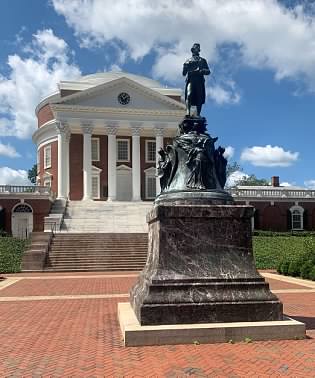
The University of Virginia has one of the most beautiful and historic campuses’ in the United States. The University, which was championed by the Virginia triumvirate (Jefferson, Madison, & Monroe), offers free campus tours. Highlights of my week long stay on campus was touring the Rotunda building, walking the Lawn, and seeing Edgar Allan Poe’s dorm room.
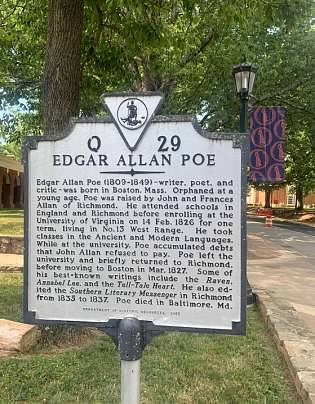
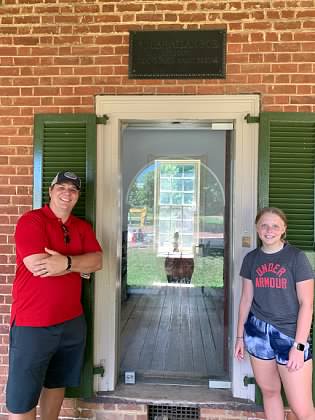
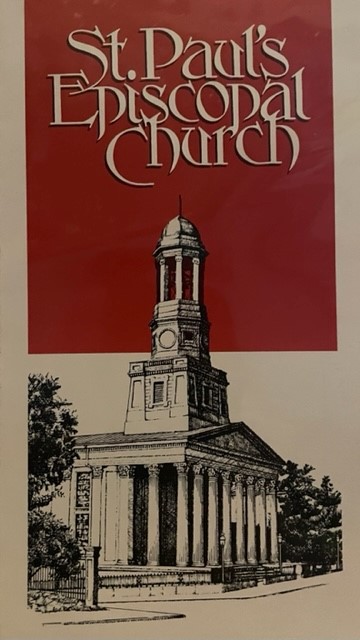
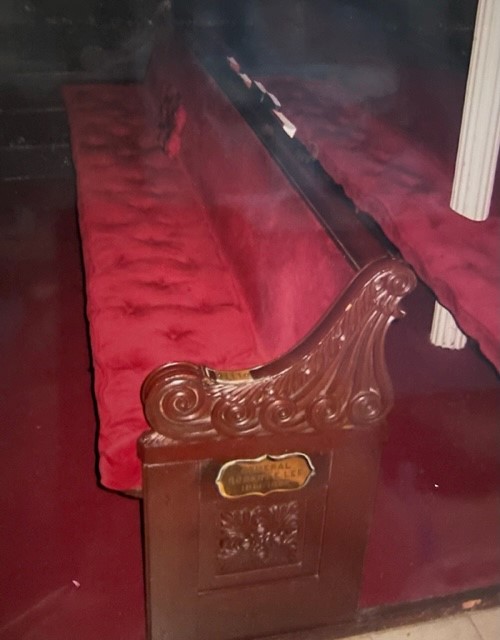
While Poe was only on campus a year, he was widely regarded as a literary genius, and went onto become one of the greatest writers of the 19th century. Richmond is a city high on our list to return to. While I have been there twice, both visits were for short periods of time. In 2006, with the Freedom Foundation group, we parked near the Capital Square Park where we toured multiple museum’s and historic buildings. My first stop was St Paul’s Episcopal Church. The church was built in 1843 and Robert E Lee and Jefferson Davis were members of the congregation.
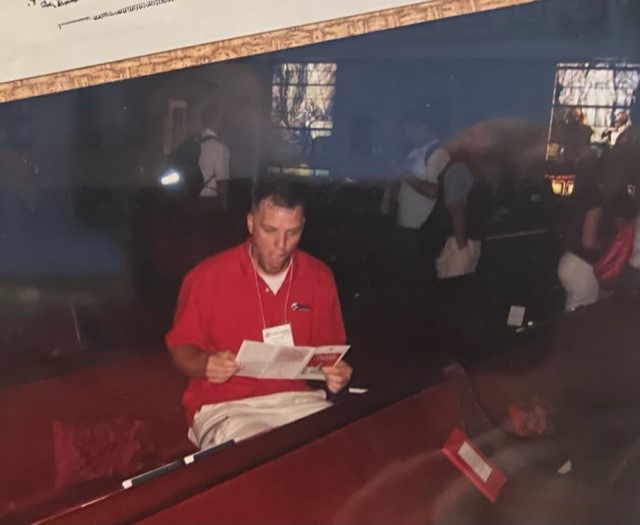
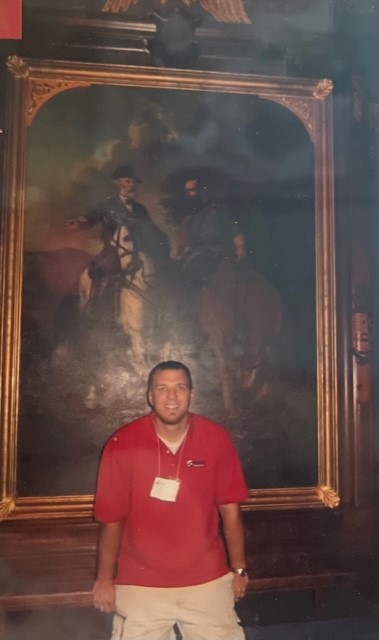
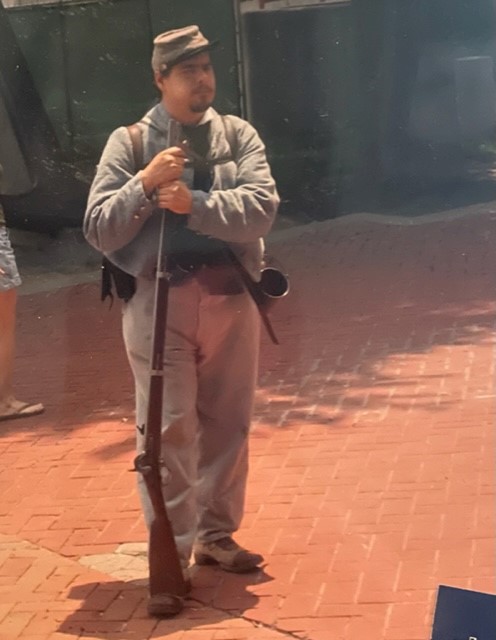
The next stop was the Museum of the Confederacy where we were led by multiple tour guides dressed in Confederate style clothing. They explained the south’s perspective on events leading up to the Civil War and then we were able to browse through the museum and examine various artifacts preserved from the War Between the States.
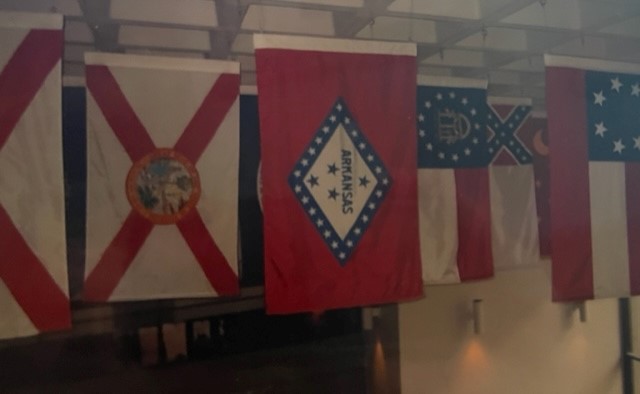
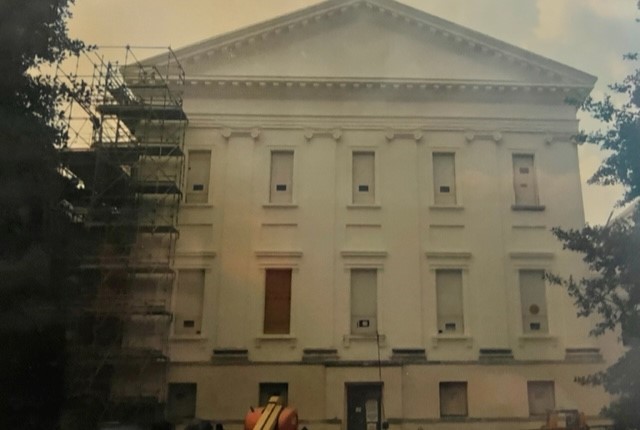
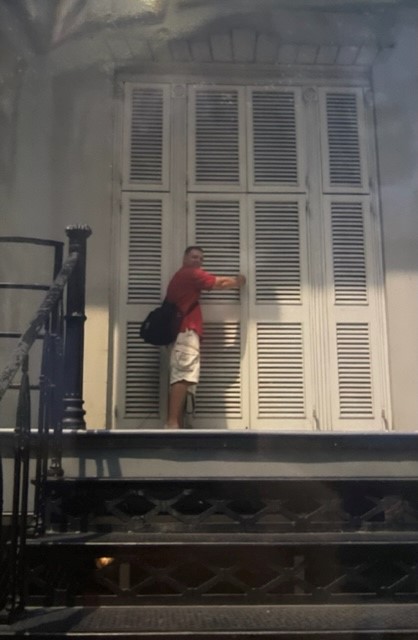
From there I walked around the outside of the White House of the Confederacy, which served as the executive mansion of President Jefferson Davis. Unfortunately, when we were there it was being remodeled and was closed.
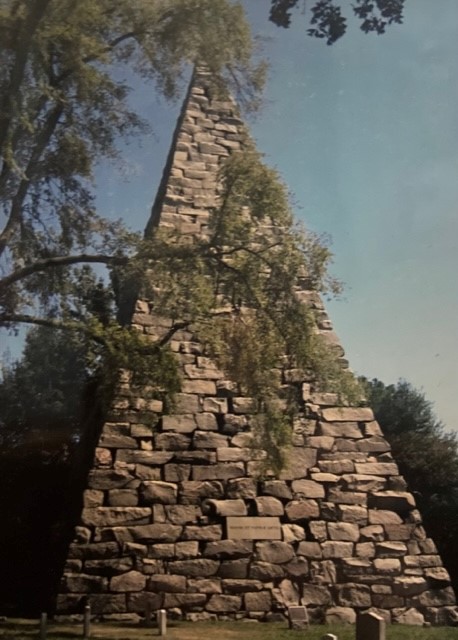
After walking around Capital Square, we returned to the bus to drive the two miles to The Hollywood Cemetery perched above the James River. As odd as it sounds to tour a cemetery, the grounds are absolutely beautiful. This was the final resting place for two United States Presidents; James Monroe and John Tyler. Confederate President Jefferson Davis, Confederate Generals, JEB Stuart and George Picket, as well as nearly 18,000 Confederate soldiers are also buried here.
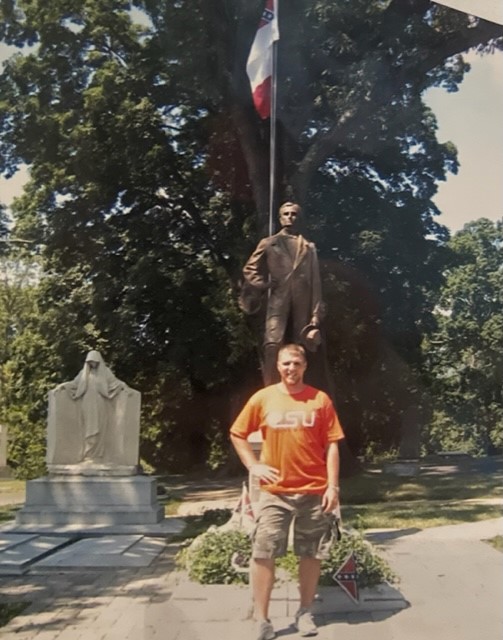
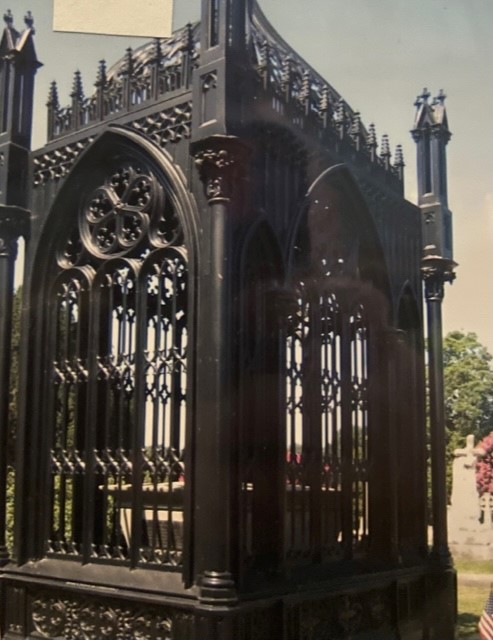
The last notable location I visited in Richmond was Monument Avenue, nicknamed America’s most Controversial Street. The street, which was referred to as an “upper middle class, historic, residential neighborhood” by national geographic had statues of Confederate hero’s Robert E. Lee, Jefferson Davis, JEB Stuart, Stonewall Jackson, Matthew Fontaine Maury, as well as Tennis great Arthur Ashe.
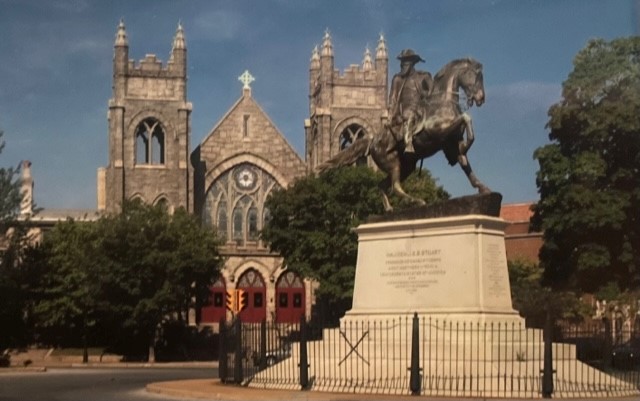
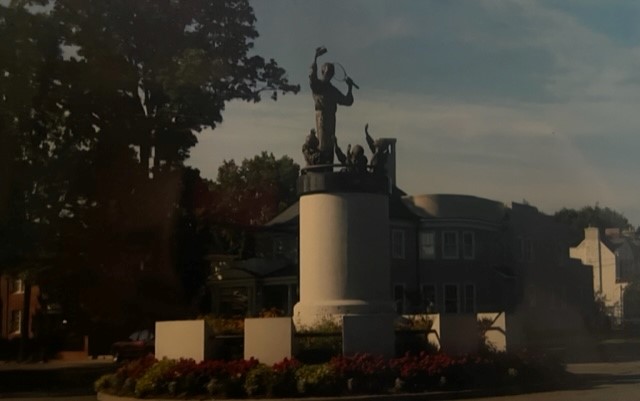
The Lee statue was the first to be erected in 1890 and the Ashe statue was the last in 1996. Today, the Arthur Ashe statue is the only one left standing.
STADIUMS AND/OR SPORTING EVENTS: We have not attended any sporting events in Virginia.
ADVENTURE(S): Traveling across the state from one historical site to another, has afforded me the opportunity to explore much of what Virginia has to offer. As previously mentioned, it is one of my favorite states as you feel as if a significant historical event has taken place around every corner. Below are a majority of the most significant Civil War sites in Virginia. Bull Run (Battle of 1st Manassas-1861 and Battle of 2nd Manassas-1862) – This was the first major battle of the Civil War. It took place in Northern Virginia, just outside of Washington DC. It was this battle that made both sides realize the Civil War was going to be a long drawn out conflict.
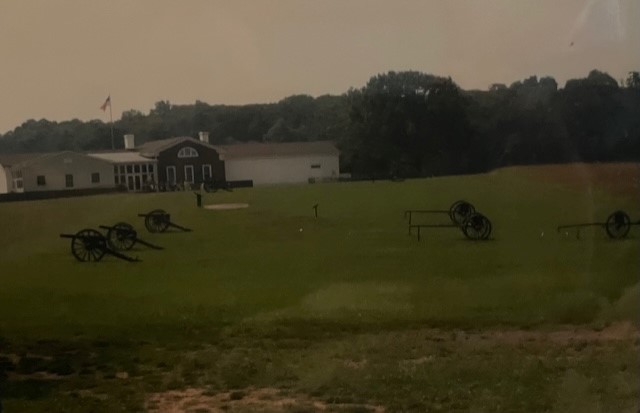
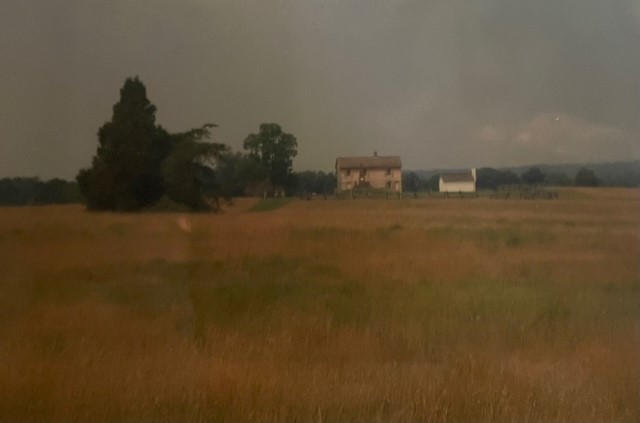
The Confederates, led by General Beauregard, were successful and the Union troops retreated back to Washington DC. Highlights of the visit were the Ben Lomond House, Henry Hill Visitor Center, and Sudley Ford.
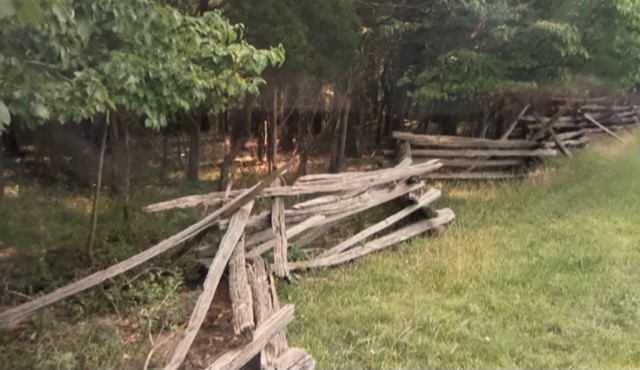
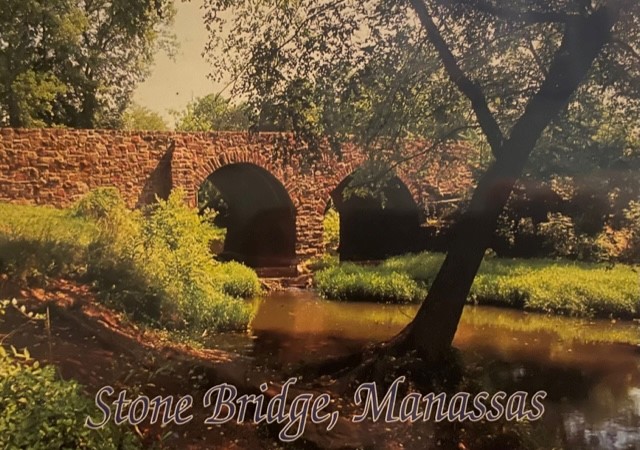
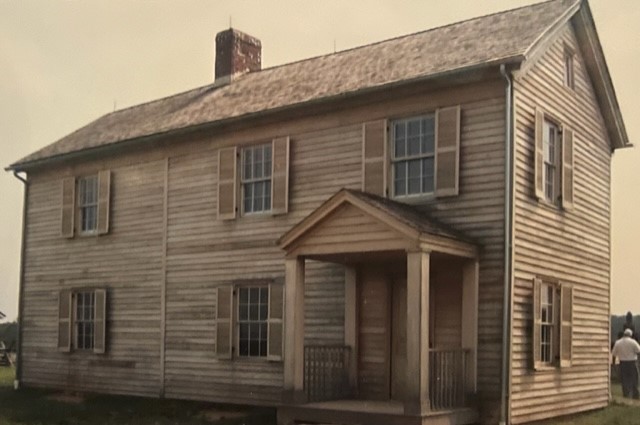
Battle of Fredericksburg (1862) – With over 200,000 combined soldiers meeting near the town of Fredericksburg, this was the largest Civil War engagement. The Union Army crossed the Rappahannock River and then proceeded to charge up a hill to confront the entrenched Confederate Army. Wave after wave charged the Confederate line only to be mowed down each time. Sadly, this was a lopsided defeat for the Union and 13,000 soldiers lost their lives here. Interestingly enough much of the battle field has been developed and turned into housing developments. Where we were below, the Sunken Road & Stone Wall, we were surrounded by homes.
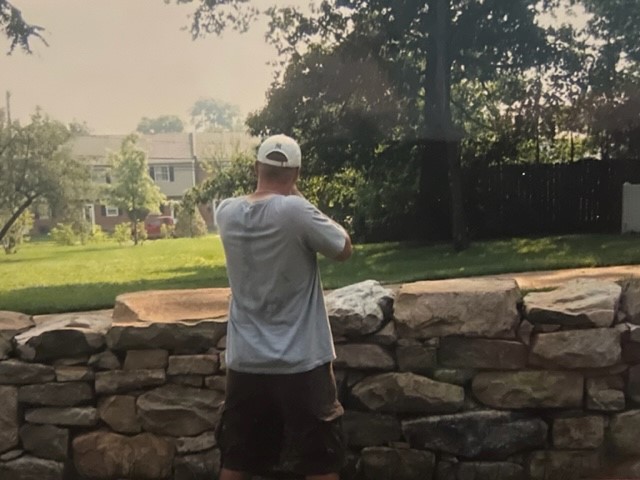
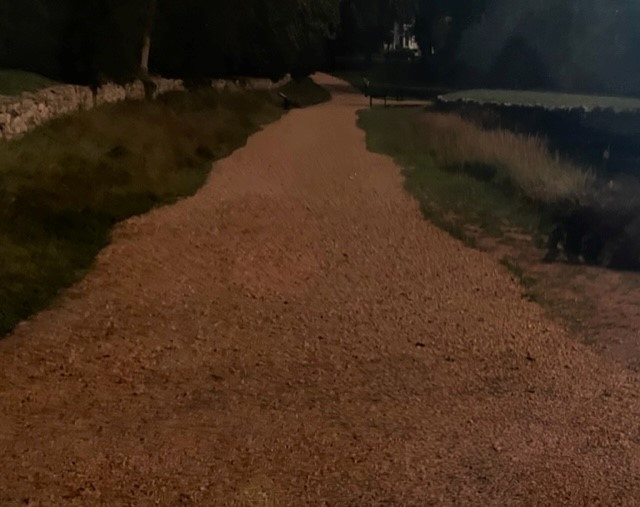
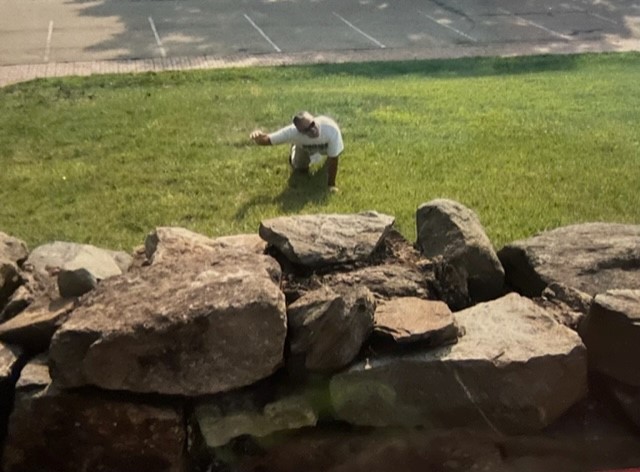
Battle of Chancellorsville (1863) – While this battle has become known as General Robert E Lee’s “perfect battle”, and was yet another Confederate victory, it came with a huge cost. This is where Confederate General Thomas ‘Stonewall’ Jackson was killed.
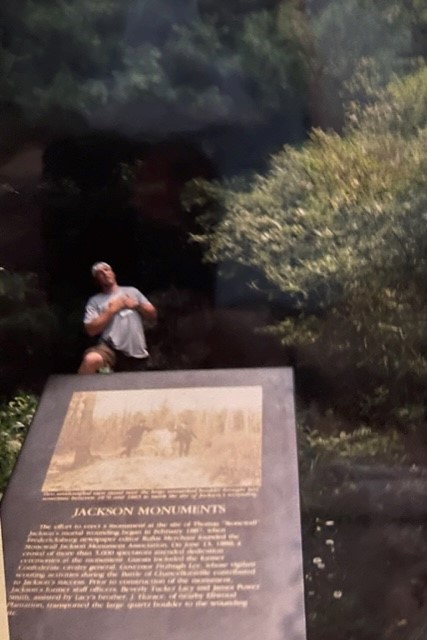
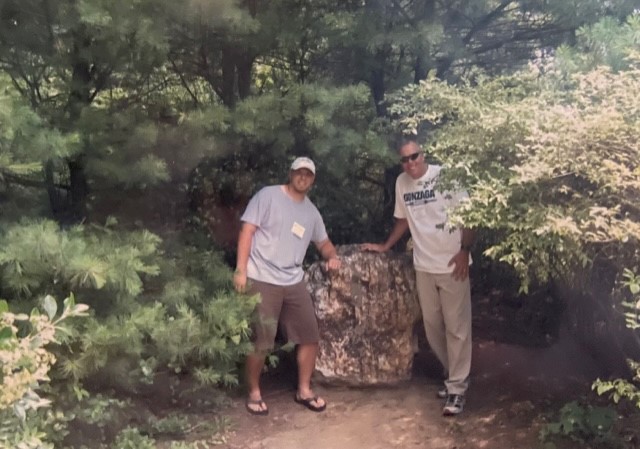
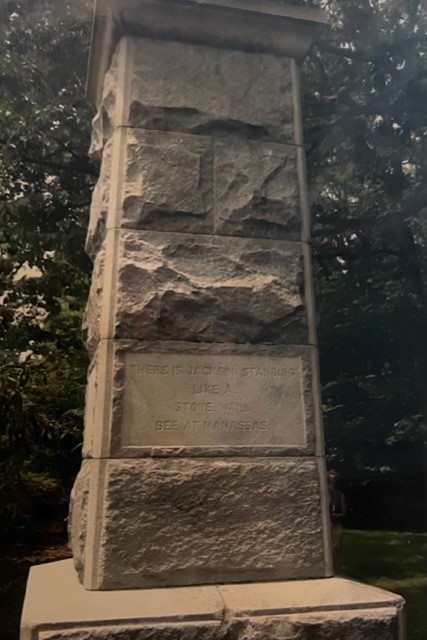
Highlights of the visit were the stone representing the spot General Jackson was shot off his horse, as well as the Lee-Jackson Bivouac, and the Chancellor House site. Personally, I was intrigued with witnessing the balancing act of preserving history with the onslaught of modernization. Highway 3 runs right through the battlefield.
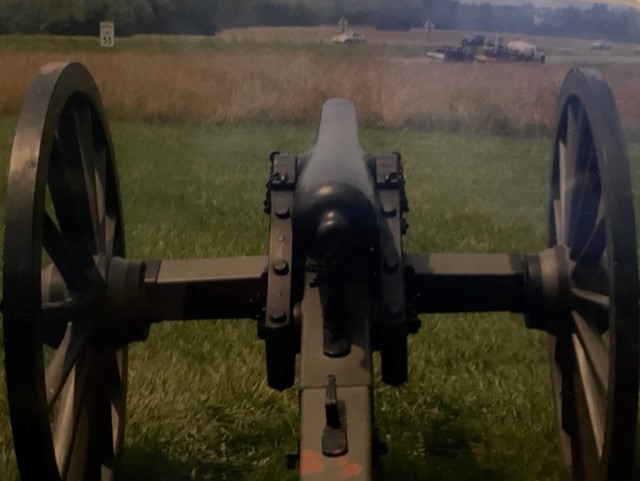
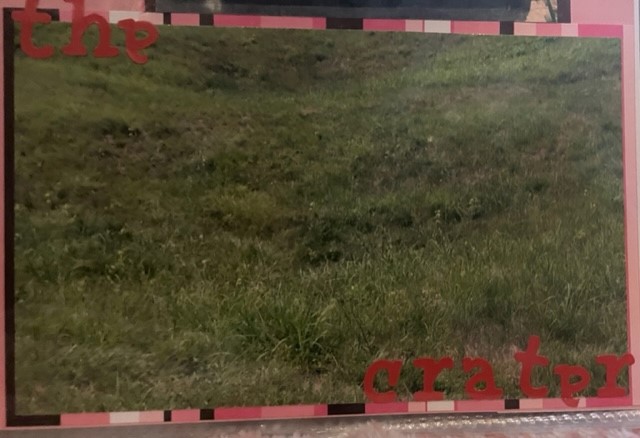
Siege of Petersburg (1864) – As the War dragged on it became obvious that the Union was ultimately going to outlast the South for victory. They simply had more people and resources than their southern counterpart. As a result the Confederates were routinely in a defensive position in and around Richmond, the Confederate Capital. Petersburg is where the Union Army tunneled under the Confederate trenches and detonated dynamite.
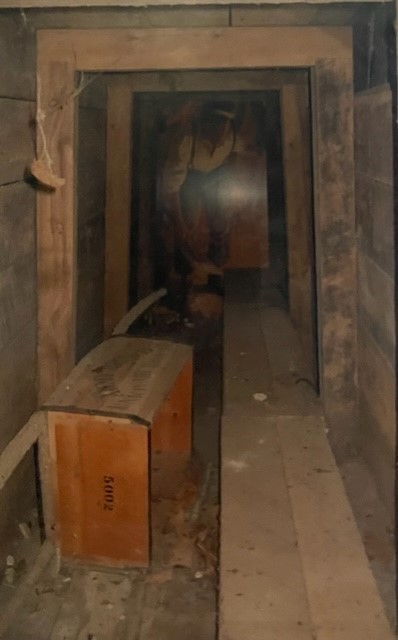
Needless to say intense fighting ensued at this sight. It was amazing to me, that 150+ years after the conflict, signs of the crater are still visible.
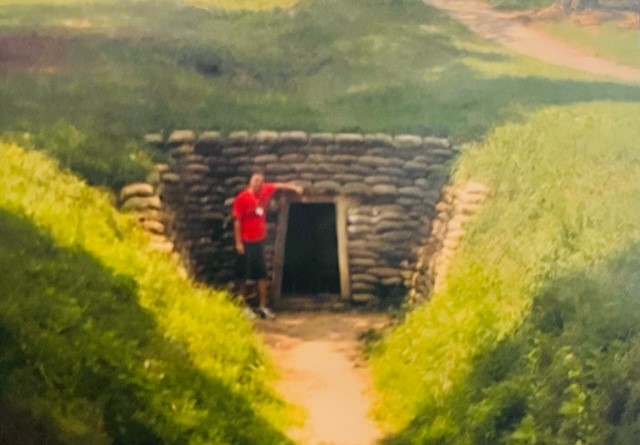
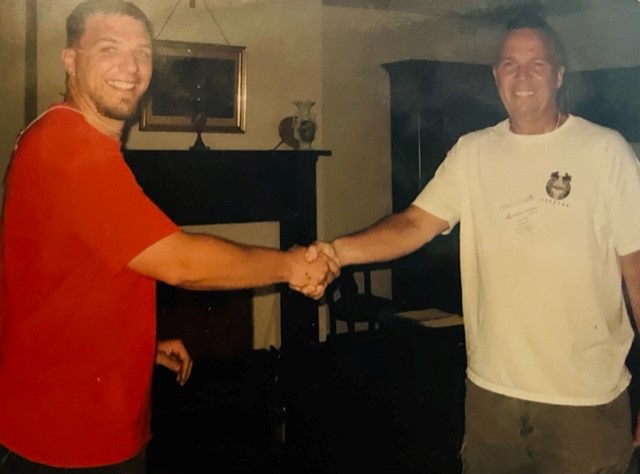
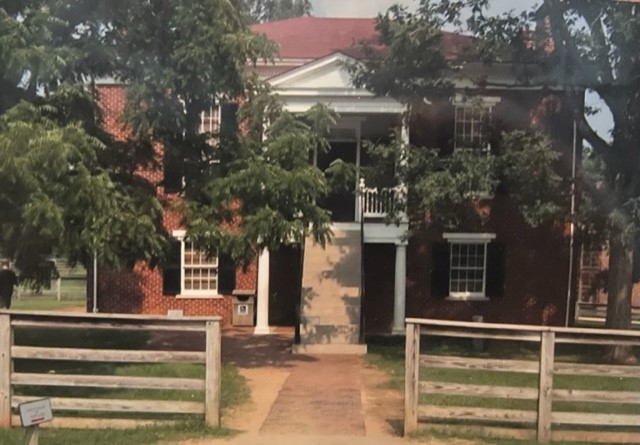
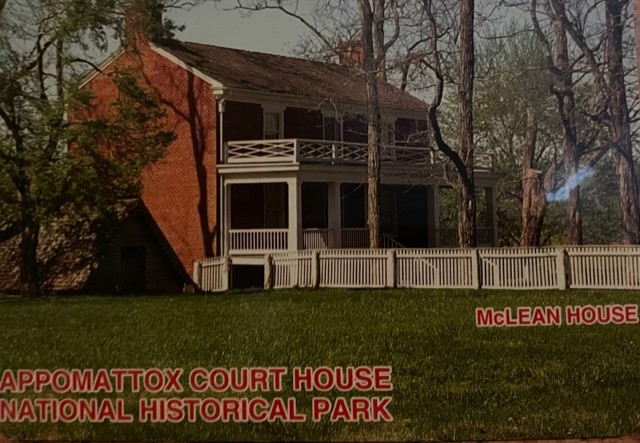
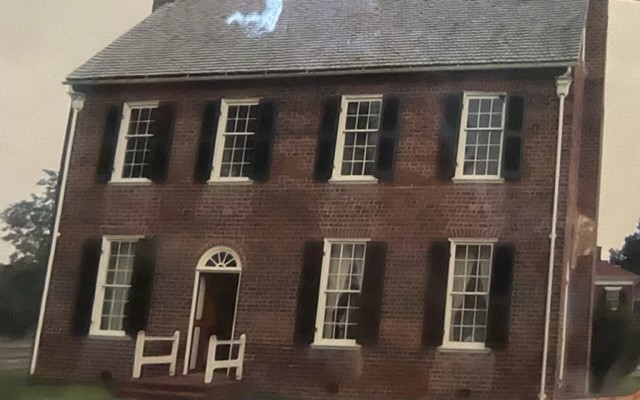
Appomattox Court House & McLean House (1865) – After nearly five years of fighting and over 600,000 casualties, this is where the Civil War ended. General Robert E. Lee and Ulysses S. Grant met to discuss and ultimately agree to terms of surrender. My friend Rick and I were able to tour the building and pose for a picture in front of the replica table used to sign the surrender papers.
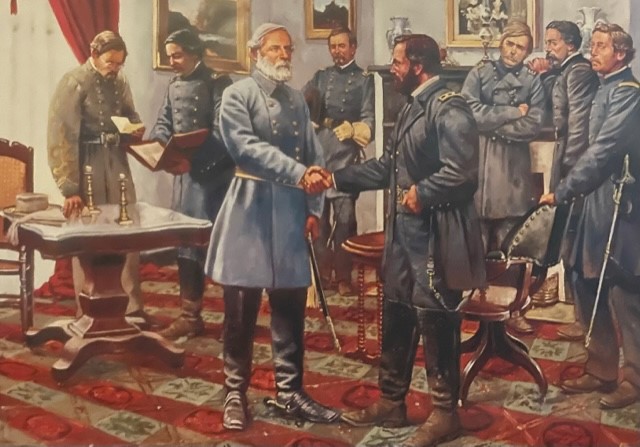
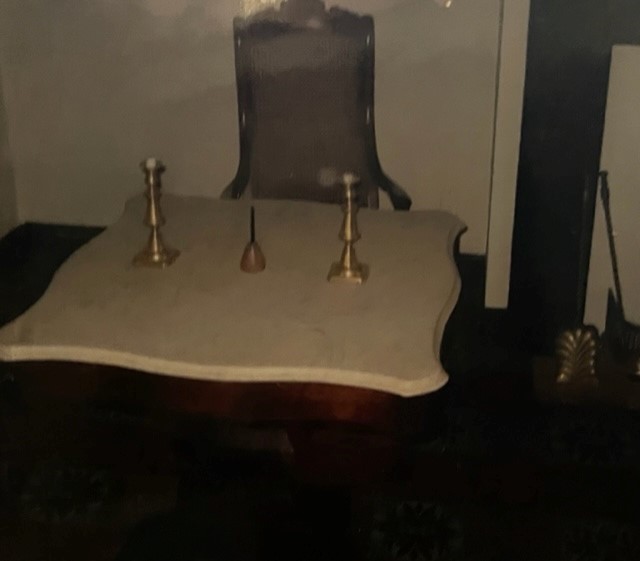
Interestingly enough in 1861, Wilmer McLean lived outside of Manassas and much of the Battle of Bull Run was fought in his field. As a result he moved his family far away from the fighting to Appomattox Court House. As fate would have it, it was in his parlor that the surrender documents were signed. Therefore, the war started in McLean’s backyard and ended in his parlor.
NOTABLE DESTINATIONS & STOPS: Located in Alexandria, just across the border of Washington DC and less than 20 miles from the White House, is the home of our 1st President and Founding Father, George Washington. Mt. Vernon welcomes over 1 million guests per year, and the Mount Vernon Ladies Association estimates that 96 million people have visited the home site since 1860.
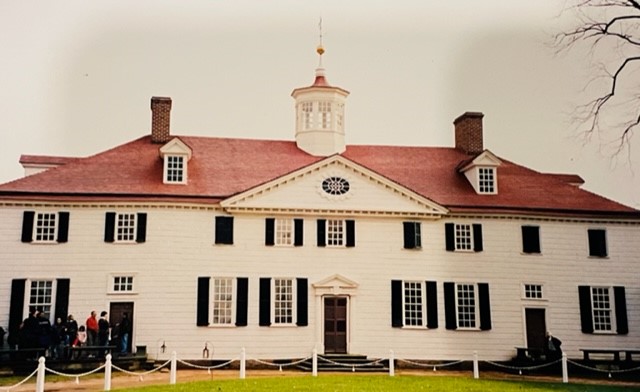
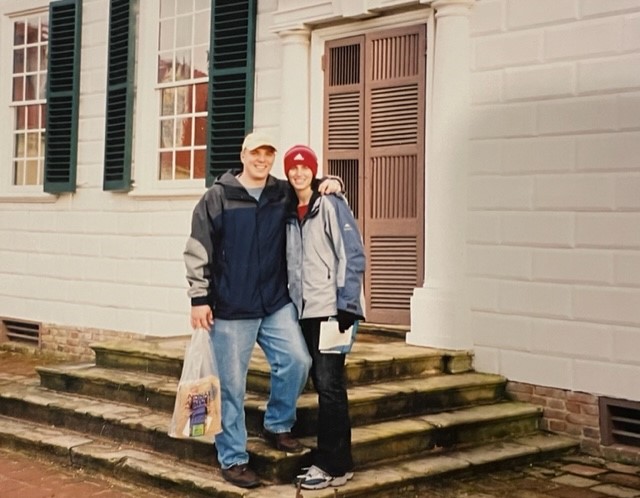
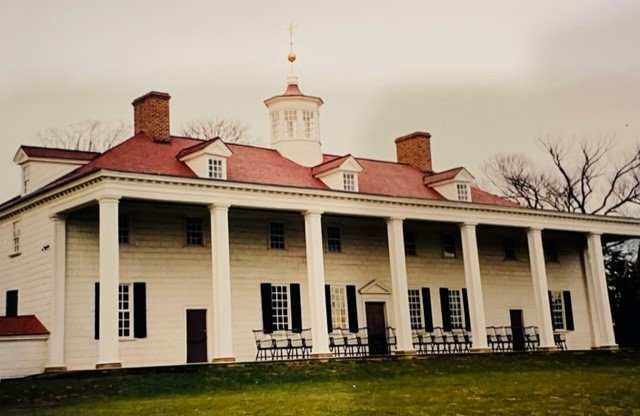
Jill and I visited the home in 2006 and I returned in 2008. The estate, which is perched on a hillside overlooking the Potomac River, is very impressive. Over 500 acres have been preserved of Washington’s original 8,000 acres.
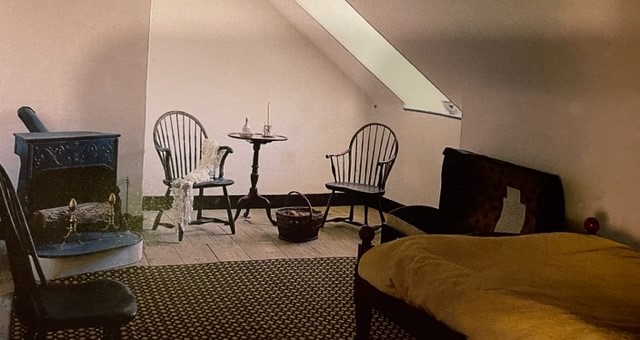
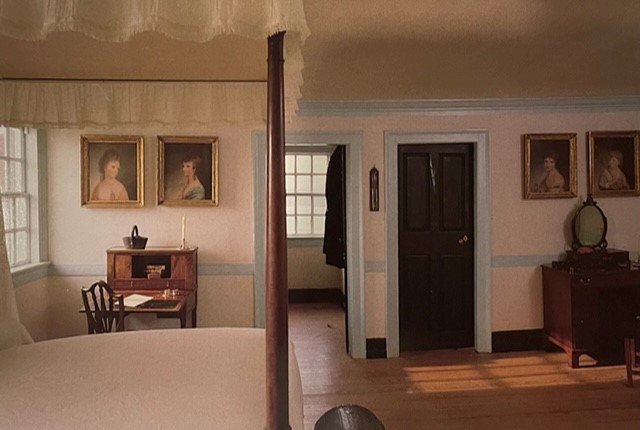
We toured the Mansion, wandered the grounds, and viewed George and Martha’s tomb.
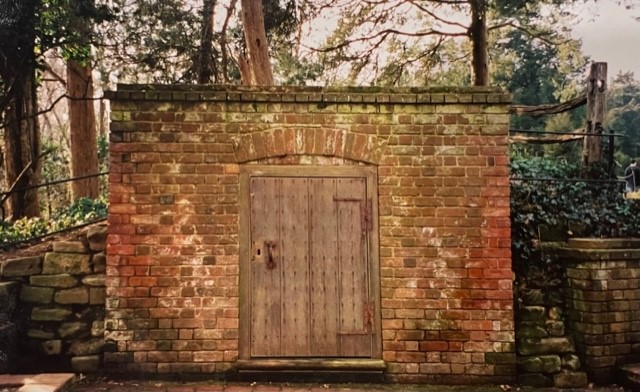
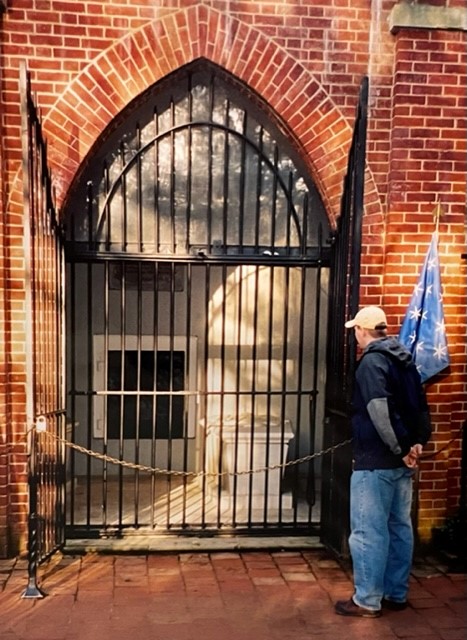
There is also a rather large interpretative center on the grounds as well. We enjoyed our tour and especially got a kick out of the story of Washington’s dentures that were made from Hippopotamus ivory. I would suggest allowing at least a half a day to fully experience this historic site. While George Washington receives much of the attention as the 1st President of the United States, four of the first five Presidents were all from Virginia. The Virginia Dynasty made a significant impact on shaping the country as whole.
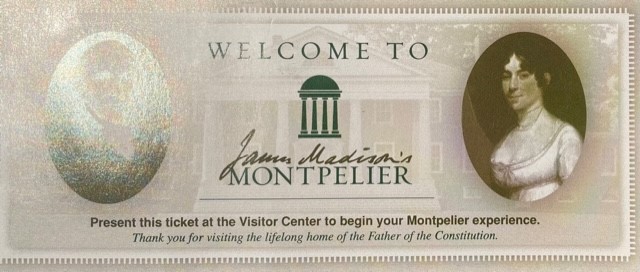
In 2008 I visited James Madison (The Father of the Constitution) and James Monroe’s estates. Madison’s Montpelier was by far the most stately.
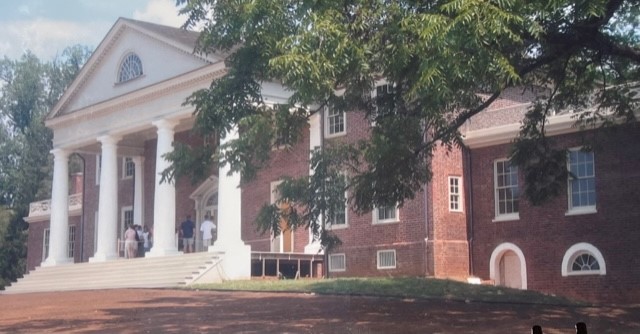
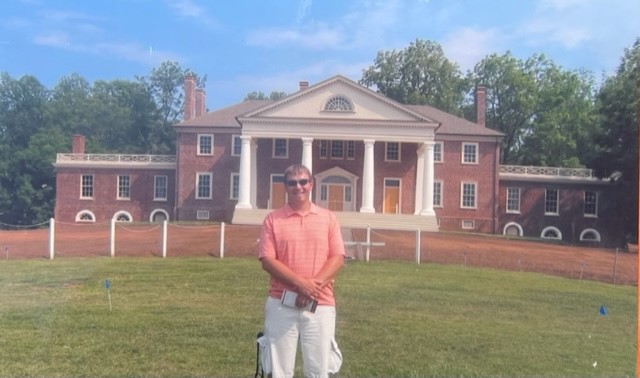
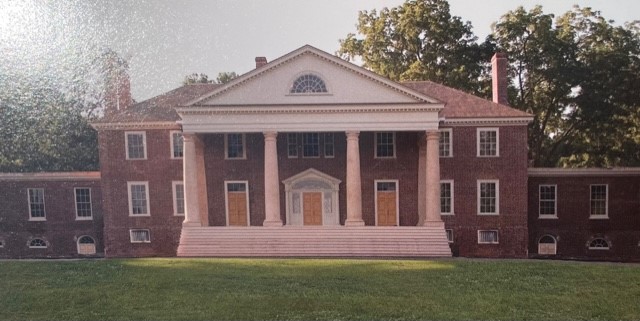
Unfortunately, the estate was under construction when I was there. I was still able to tour the house, but there were scaffolds and construction items everywhere you looked.
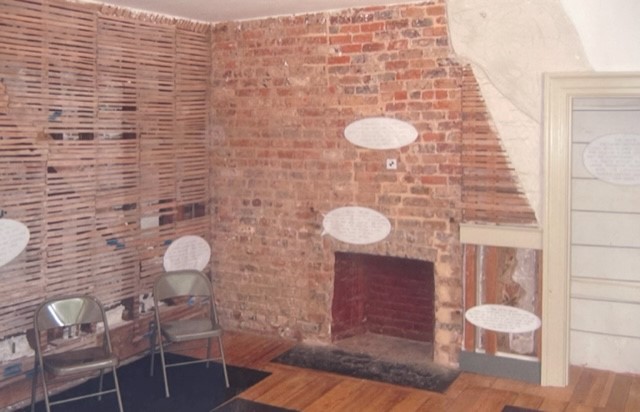
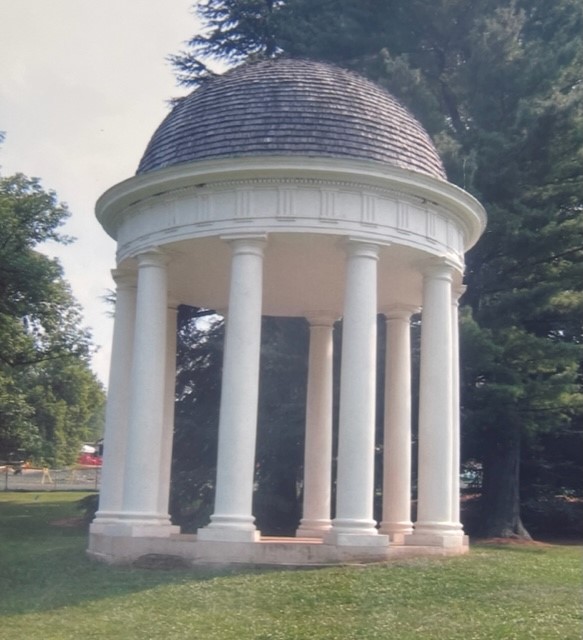
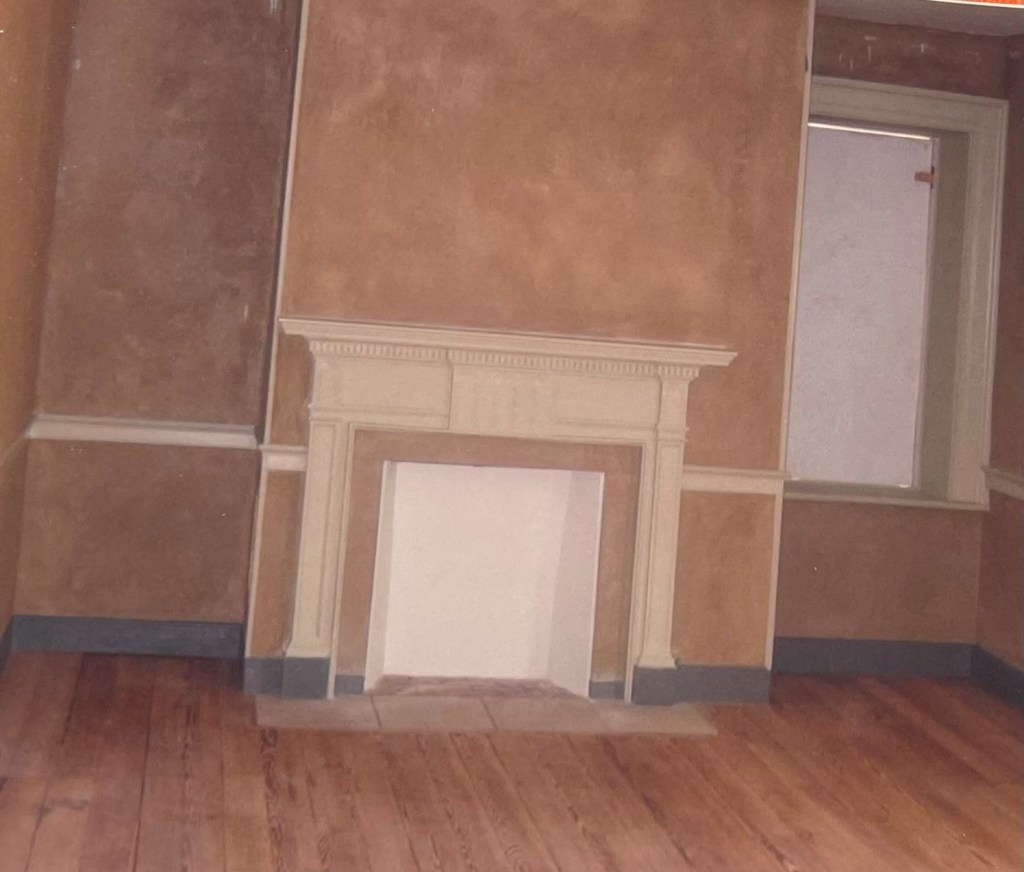
I felt fortunate to have even had the opportunity to tour the home, but it was difficult to envision how the historic home would have looked when the Madison’s actually lived there. James’s Monroe’s estate, Ash Lawn-Highland, is adjacent to Jefferson’s Monticello and is over 500 acres. Recently, the residence name has been shortened to simply Highland.
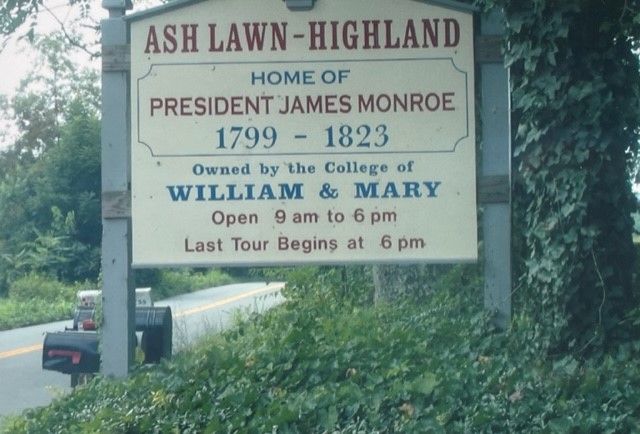
The home is much more humble in nature than any of the other Virginia Presidents and is where the Monroe’s lived from 1799-1825.
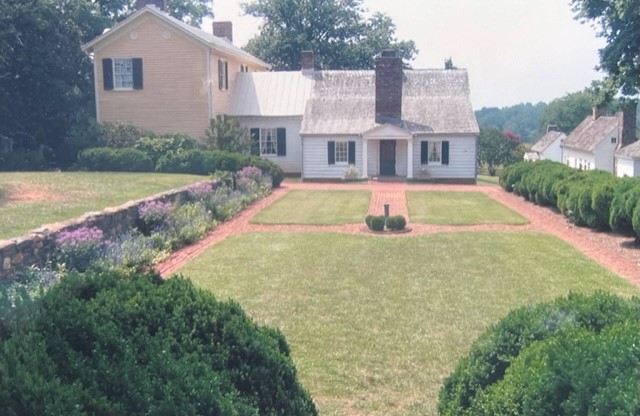
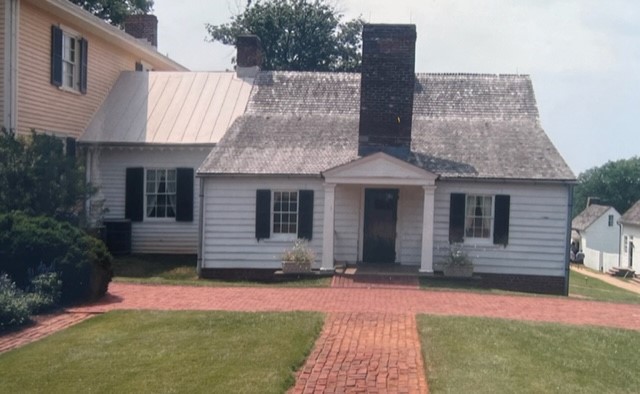
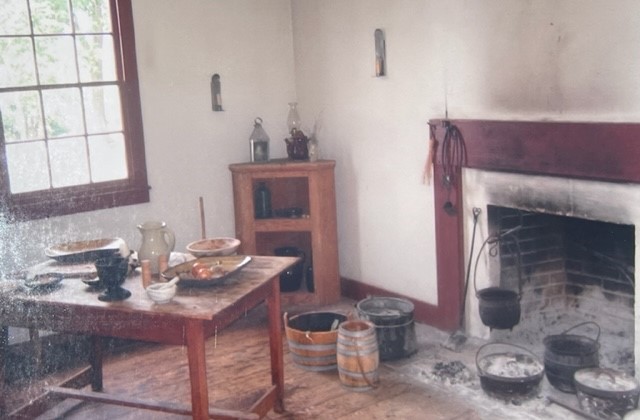
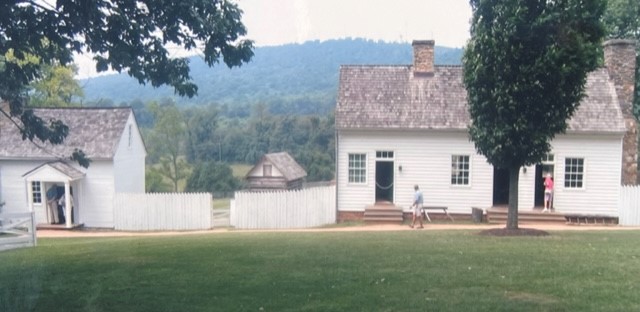
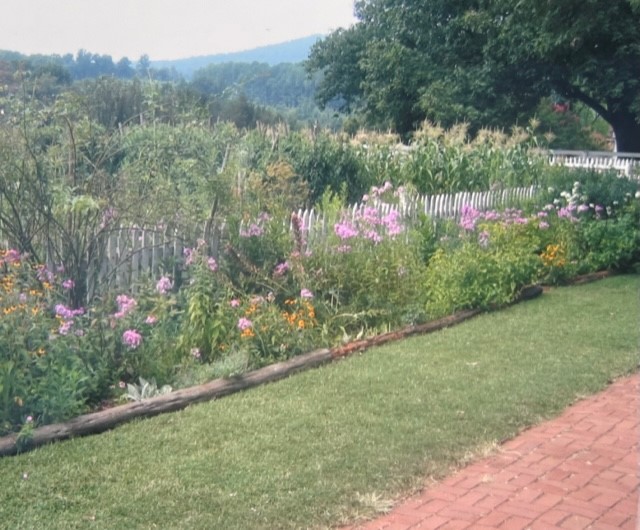
The plantation is a working farm today and is owned by the College of William & Mary. I toured the home, barn, and plantation buildings, as well as walked the beautiful grounds.
It is amazing to me that President #3, 4, and 5 all lived within 30 miles of each other. Williamsburg was the capital of Virginia during the American Revolution. Today, you would be hard pressed to find another location that has preserved it’s revolutionary history as well as Colonial Williamsburg.
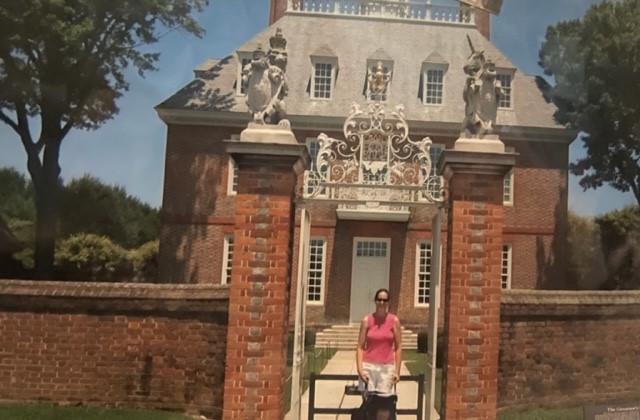
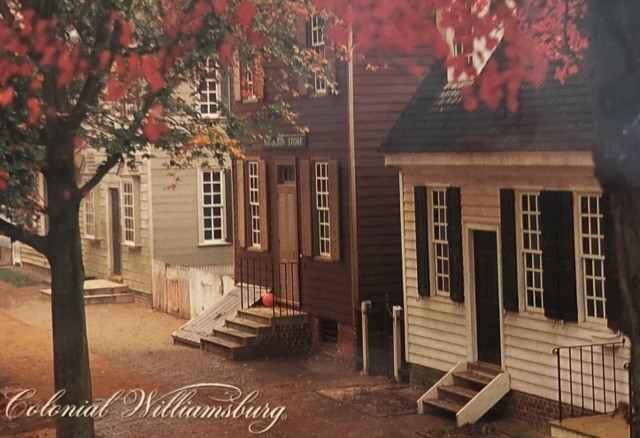
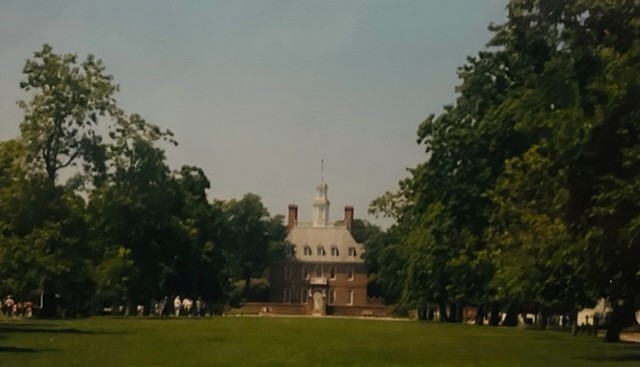
Many of the buildings are originals, or at the very least have been restored to appear as if they are right out of the 18th century. Costumed re-enactors make you feel as if you have gone back in time.
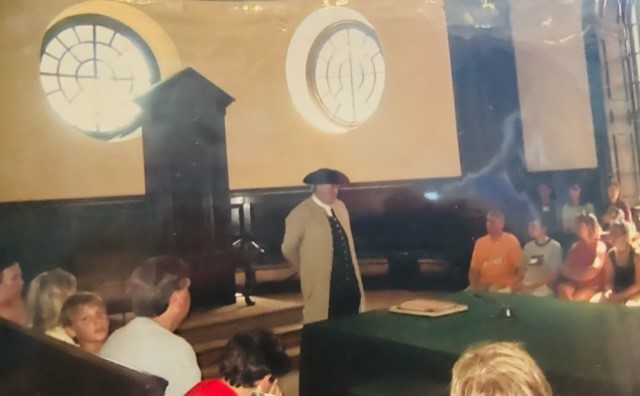
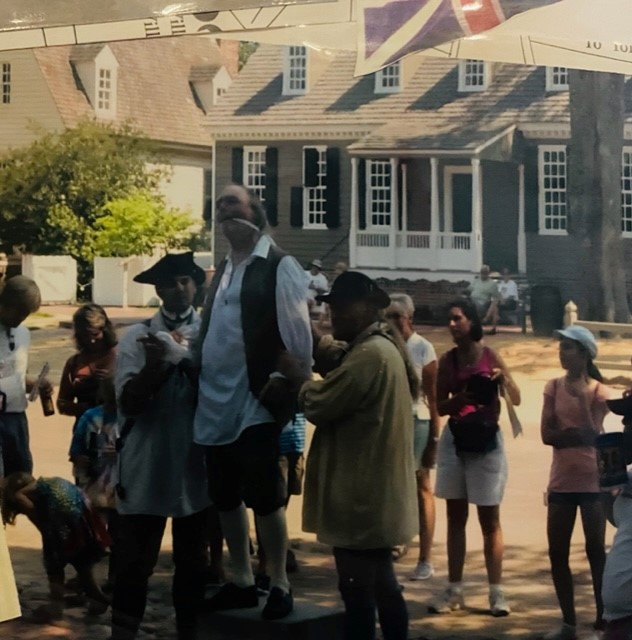
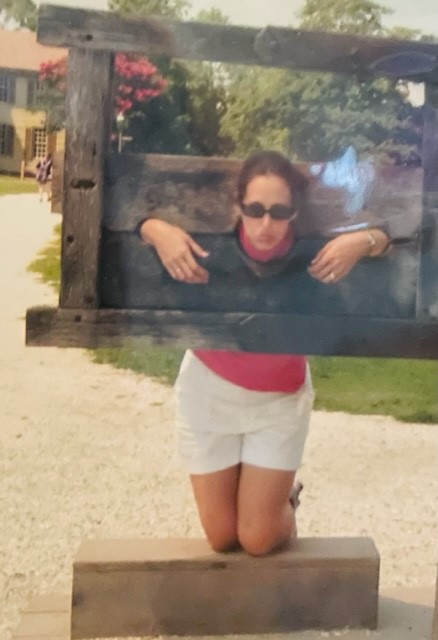
Personally, I felt as if at any moment I was going to run into Patrick Henry, George Washington, or any of our other founding fathers.
- OUR LIST TO VISIT OR RETURN TO:
- Belle Isle – Richmond
- RVA Trolley – First Trolley System in the World
- Riverfront Canal Walk – Richmond
- Colonial National Historic Park – Jamestown & Yorktown
- Luray Caverns
- Norfolk Tides (MiLB) Game
- St. John’s Church, Richmond – Patrick Henry “Give me liberty, or give me death”
- MacArthur Memorial, Norfolk
- Shenandoah National Park
- Jamestown & Yorktown
 ‘Stros on the Road